




Acrylic vs Textilene vs Solution-Dyed Polyester: Choosing Webbing Material for Tropical Climates
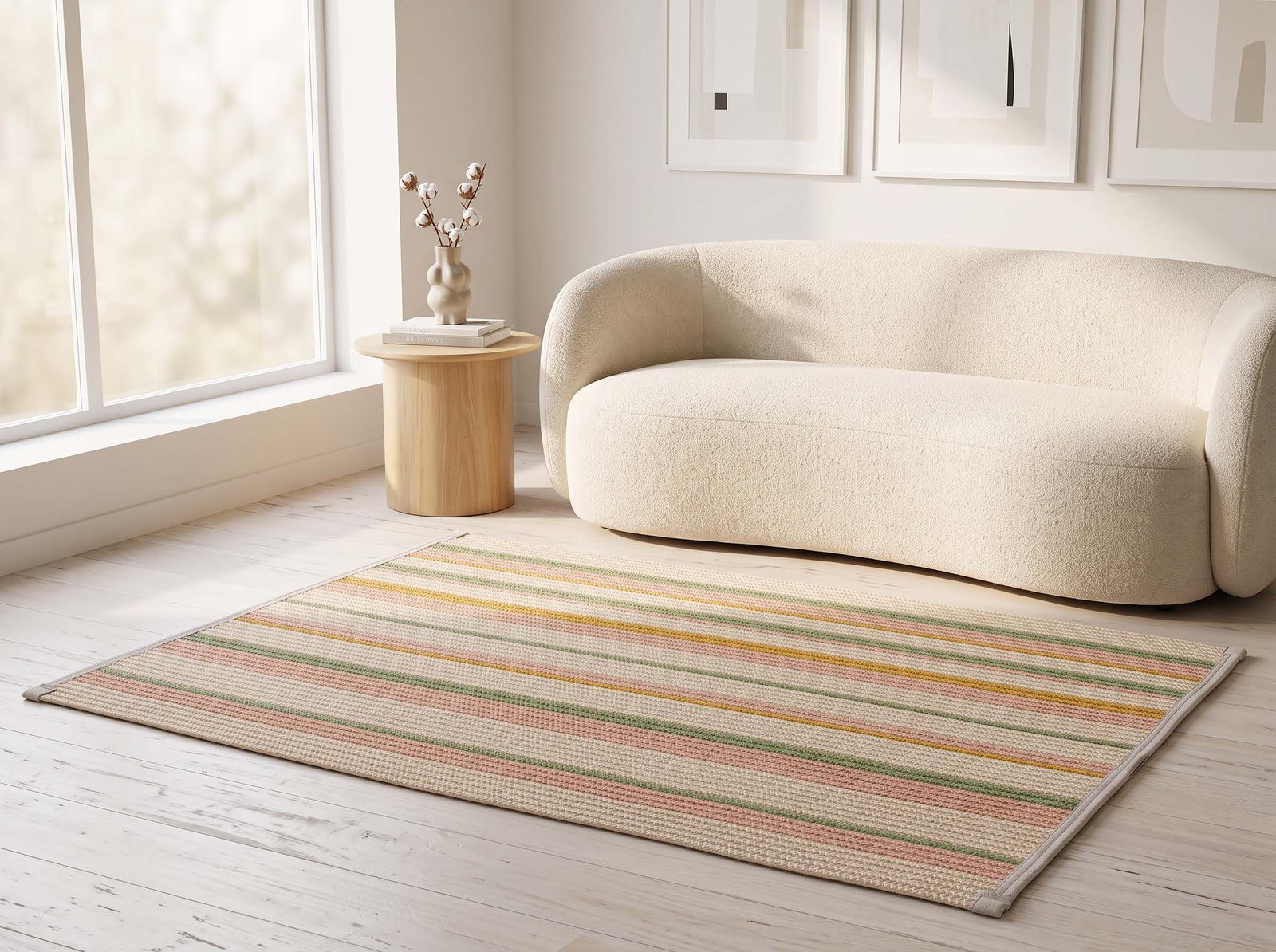
Buyers comparing acrylic vs Textilene outdoor furniture webbing, or weighing solution-dyed polyester against acrylic rope for furniture, are usually really asking one question: which material survives a tropical installation best. The short answer is that the question has a location attached. Under open equatorial sun, UV colour stability and drying speed lead the decision. Under a shaded veranda, mildew resistance leads it. This guide compares the three materials across the dimensions that matter in Vietnam, Indonesia, Malaysia, Thailand and the Philippines, then turns the comparison into decision rules by project type.
Every property below is qualitative on purpose: lab values vary by yarn grade, weave construction and dye lot, so a table that printed fixed numbers would age badly. Ask for dye-lot test data before you compare prices.
In equatorial climates, mildew resistance matters more than UV rating for shaded areas, and UV rating matters more than mildew resistance for open-sun areas. Specifying one single material for both is the most common design error we see.
Three Materials, One Table
Acrylic, Textilene and solution-dyed polyester each solve a different part of the tropical-climate problem. The table compresses the comparison; the sections after it explain the climate forces behind each row.
| Dimension | Acrylic | Textilene | Solution-dyed polyester |
|---|---|---|---|
| UV colour stability | Excellent; solution-dyed acrylic holds deep tones through year-round sun | High; the coated yarn system is engineered for outdoor exposure | High; colour is set inside the filament at the masterbatch stage |
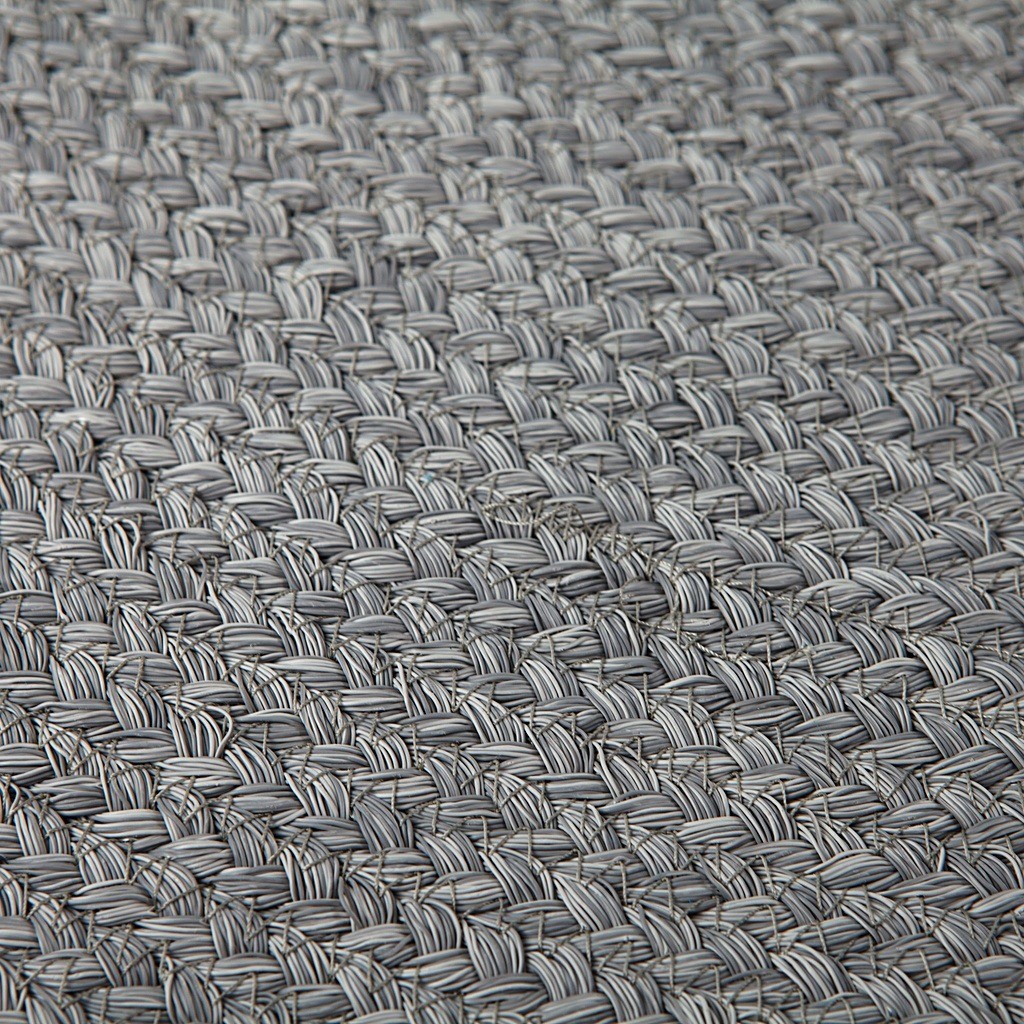
| Mildew resistance in humidity | Good; the woven fabric must be allowed to dry | Very good; the open coated weave sheds water quickly | Very good; cord construction drains and dries fast |
| Drying speed after rain | Moderate; densest of the three | Fast; water runs off the coating | Fast; the open cord weave drains through |
| Hand feel | Soft, textile-like, closest to indoor fabric | Smooth, slightly coated surface | Rounded cord texture, structured |
| Cost tier | Premium | Mid | Mid |
| Best fit | Premium indoor-outdoor lounges, hospitality interiors | Open-air poolside and dining sets | Rope-woven seating, resort and residential patio lines |
What Tropical Climates Actually Stress
Three forces shape webbing life in Southeast Asia, and they do not rank the same way as in temperate markets.
Humidity and mildew
Night humidity regularly sits above 80 percent through the rainy season, and furniture stays damp for days between showers. Material choice decides whether that dampness becomes staining, odour and fibre damage, or simply dries off. Construction matters as much as chemistry: an open weave that drains and dries beats a dense weave that holds water, whatever yarn it uses.
Equatorial UV
Near the equator the sun sits high year-round and outdoor furniture receives close to twelve hours of daylight exposure daily. Colour loss is the visible symptom; fibre degradation is the expensive one. Solution-dyed systems, where pigment enters the filament at the masterbatch stage, hold tone far longer than surface-dyed yarns.
Coastal salt air
The highest-value projects, resort work in Bali, Phuket, Da Nang and Koh Samui, all sit on the coast. Salt spray accelerates wear on anything that stays wet, which quietly shifts the ranking toward fast-drying constructions.
Decision Rules by Project Type
Buyers searching for the best webbing material for a humid tropical climate usually get generic rankings. Project type changes the answer, so sort by installation first.
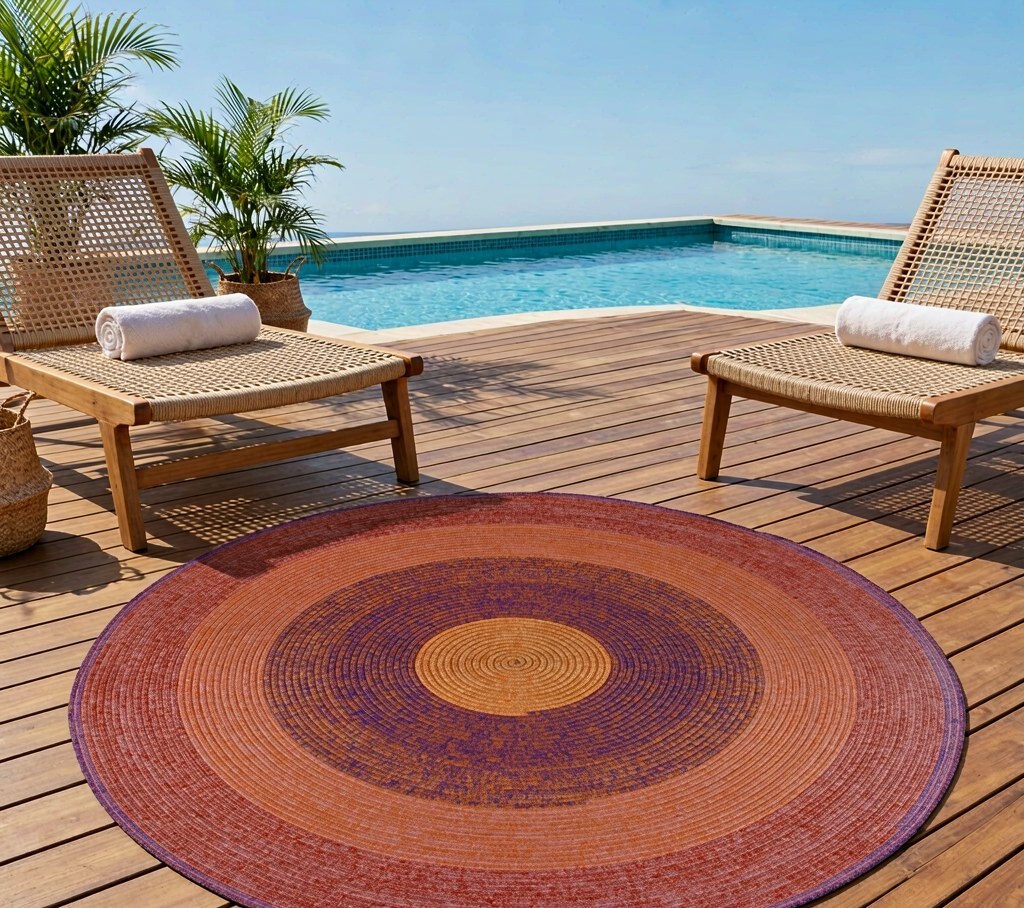
Fully open poolside and beachfront
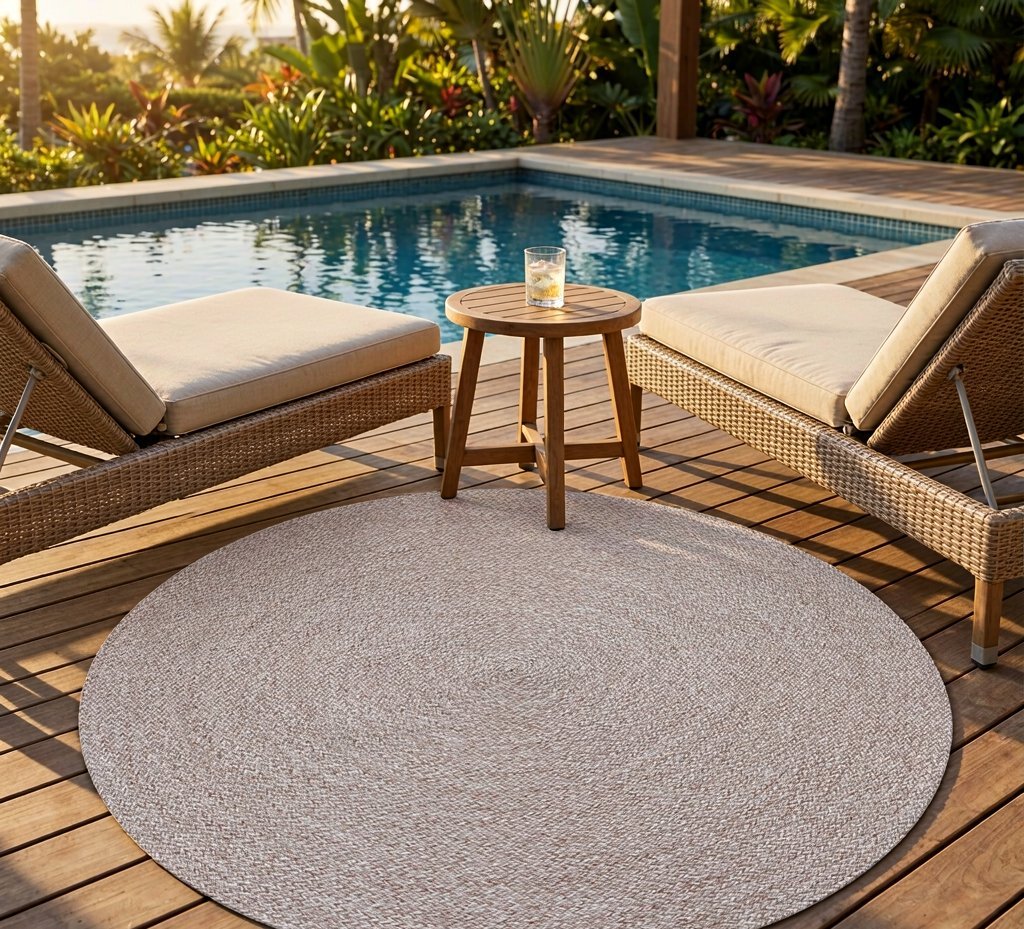
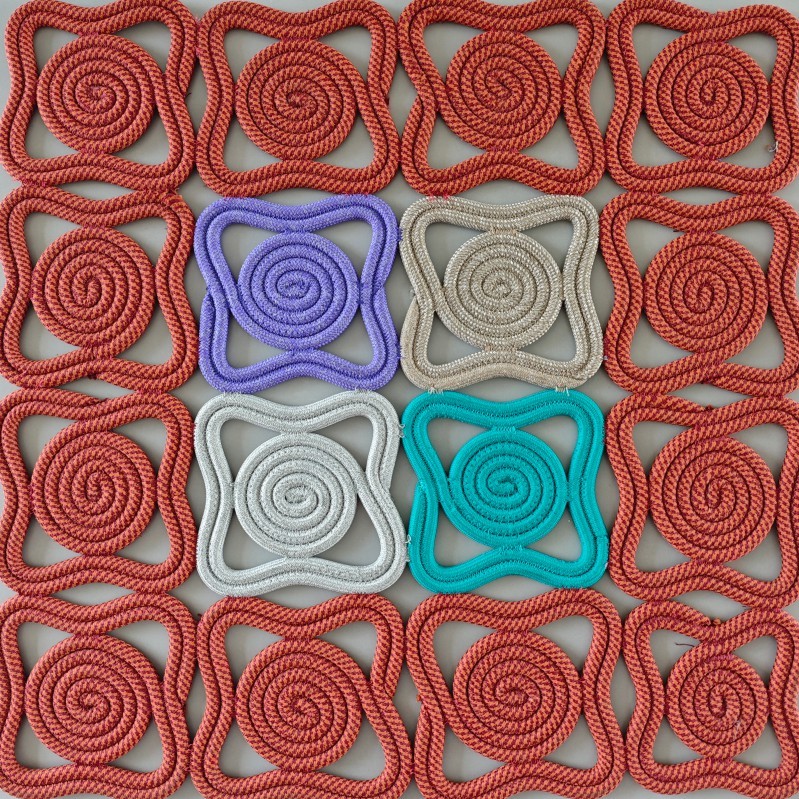
Direct sun from late morning to late afternoon, splash and chlorine nearby. Prioritise UV colour stability and drying speed. Textilene and solution-dyed polyester rope are the natural shortlist; between the two, seating style usually decides, since rope-woven and mesh upholstery call for different constructions.
Semi-shaded verandas and garden pavilions
Slatted roofs, pergolas and tree cover cut direct UV but trap humidity after rain. Here mildew resistance and drying speed outrank the UV rating. Solution-dyed polyester rope and Textilene both perform well; acrylic works too if housekeeping keeps cushions dry.
Premium indoor-outdoor lounges
Hotel lobbies, club lounges and covered residential spaces where the fabric is seen and touched up close. Acrylic leads on hand feel and colour depth; the UV exposure is limited, so the premium cost buys comfort and appearance rather than survival.
The Most Common Mis-Specification We See
When sample requests arrive at our floor, the same specification errors repeat. All four are avoidable at the drawing stage:
- One material specified for both shaded and open-sun zones, so the shaded side grows mildew while the budget was spent on UV rating.
- A UV figure quoted on a datasheet treated as a mildew rating; the two are measured differently and one predicts nothing about the other.
- Piece-dyed material accepted where solution-dyed was specified; the colour sits near the surface and fades first where sun is strongest.
- Samples evaluated indoors in an air-conditioned office, then bulk installed at a seaside property where salt and humidity change the outcome.
The pattern behind all four is the same: the material was chosen from a datasheet instead of from the installation. A ten-minute conversation about where the furniture will actually stand prevents most of them.
How the WebbingStyle Series Map to Each Scenario
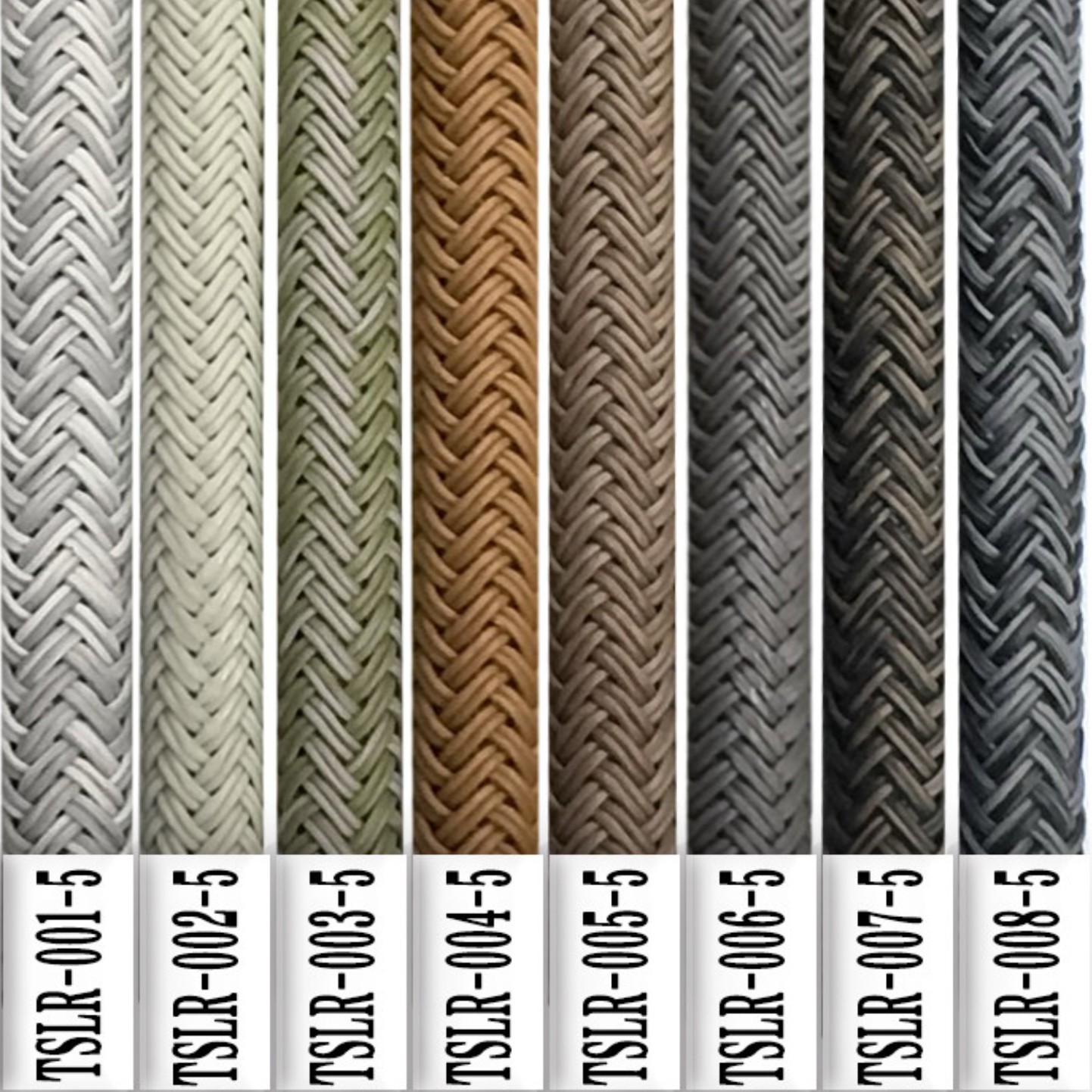
We manufacture all three materials as standard rope webbing series, so the decision stays with your project rather than with our catalogue:
| Project scenario | Series to look at |
|---|---|
| Open-sun poolside seating | Textilene rope webbing series |
| Rope-woven resort and residential lines | Solution-dyed polyester rope webbing series |
| Premium lounge and hospitality interiors | Acrylic rope webbing series |
Across all three series the OEM/ODM scope is the same: custom colours from masterbatch, custom widths, cores, edge finishes, labels and packaging. That matters because tropical projects rarely need a stock colour; they need the project colour, in a material that survives the site.
Where This Comparison Stops Being Enough
A comparison table narrows the shortlist; it does not replace testing on your own site. Actual performance depends on yarn grade, weave construction, core type and the dye lot behind your shipment, so request current dye-lot test data for the specific series you are quoting. Colours, constructions and sampling terms are confirmed case by case by our sales team, and a sample exposed to your real environment for a few weeks is worth more than any table.
About WebbingStyle
WebbingStyle is a furniture rope webbing manufacturer with over 20 years of industry experience, operating a 12,000 m2 garden-style factory with 70+ production machines and supplying partners in more than 40 countries. The company offers OEM/ODM customisation across acrylic, Textilene, solution-dyed polyester and rubber-plastic core webbing series.
Contact us for samples and a quote
First published: November 2026. Comparison reviewed annually.